Welcome to acronym city! The Court of Appeal of Brussels has made an interesting ruling. A customer complained that their bank was spelling the customer's name incorrectly. The bank didn't have support for diacritical marks. Things like á, è, ô, ü, ç etc. Those accents are common in many languages. So it was a little surprising that the bank didn't support them. The bank refused to spell their c…
Continue reading →

It's useful to share negative results. Not every experiment has an amazing or successful outcome. tl;dr you can't register Punycode .ss domains. This also means Internet users in South Sudan can't register domains using their own writing system. Background The Republic of South Sudan became independent and joined the United Nations back in 2011. A decade later, and it's now possible to…
Continue reading →
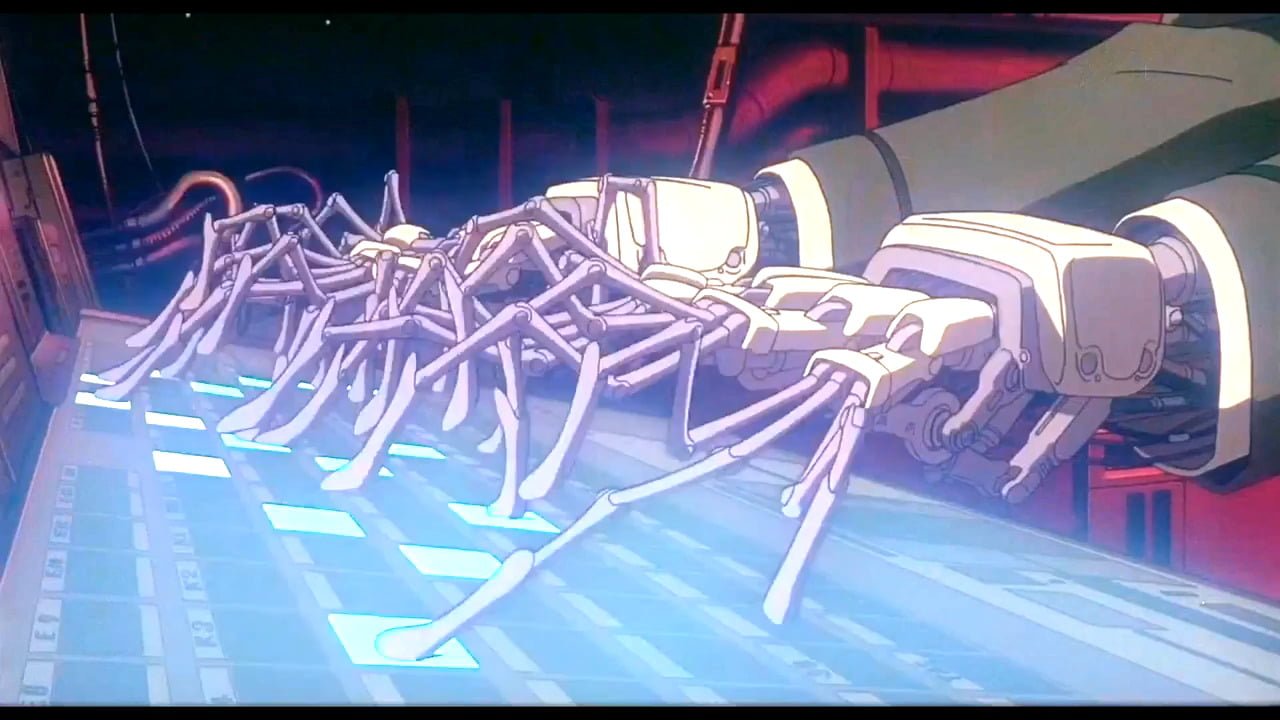
One of the frustrating things about computers is their limited input options. A "standard" PC keyboard only has about 100 keys. Sure, some have some bonus buttons for controlling the machine, but it is becoming clear that there simply aren't enough buttons to efficiently program computers. Most programming languages have the concept of relational operators. How does variable X compare to…
Continue reading →

Being from the United Kingdom is hard sometimes. When scrolling through a list of countries, we might be found down the bottom as "UK" or near the top as "Great Britain". Occasionally someone files us under "England" - thus ignoring Wales, Scotland, NI etc. Once in a while, it'll be "The UK". Truly, no one has suffered as we have suffered⸮ Here's a list of countries from the Curve Credit card (…
Continue reading →
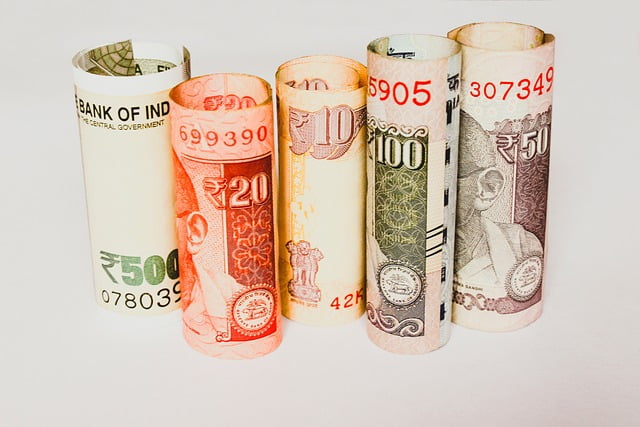
Some background reading. Skip if you're familiar with fonts. A font file contains a list of characters (usually letters, numbers, and punctuation) and glyphs (the drawn representation of that character). It is, of course, a lot more complicated than that. Each character has a codepoint which is represented in hexadecimal. For example, U+0057 is the Latin letter Capital W, U+20AC is the Euro…
Continue reading →
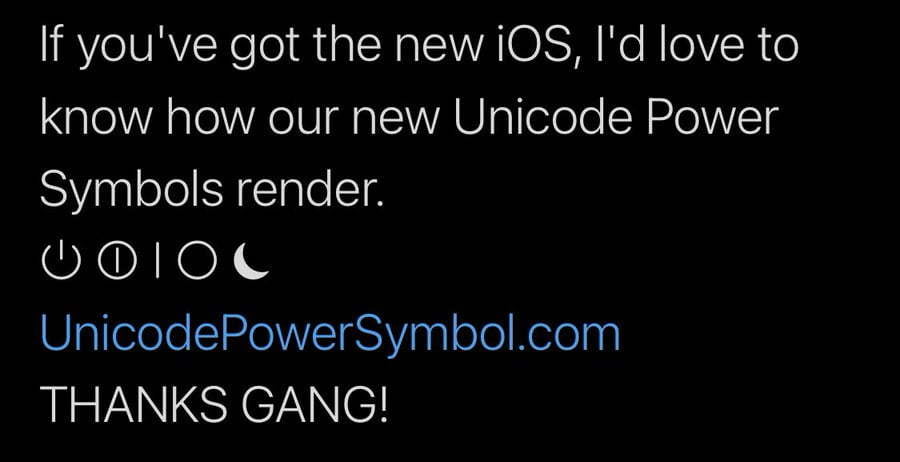
It has been four years since Unicode officially accepted our Power Symbols proposal into the standard. Now I’m delighted to announce that users on iOS 14 are finally able to use the full set of Power Symbols. ⏻ ⏼ ⭘ ⏽ ⏾ They’re available to use in the browser, in emails, and messages. Here’s how they look, in both dark and light mode: Terence Eden is on Mastodon@edentAnyone with iOS 14 able to …
Continue reading →

Short domains are useful for security testing. If you only have a limited number of characters, you need to be able to reference code on a remote server in as few characters as possible. A few years ago, I tried to find a Minimum Viable XSS. The conclusion that I (and others) came to is that 20 characters is the bare minimum. But it requires you have a 2 character domain name on a 2-character…
Continue reading →

Steganography (/ˌstɛɡəˈnɒɡrəfi/ is the practice of concealing a file, message, image, or video within another file, message, image, or video. I recently saw someone tweeting the hashtag #ManchesُterDerby Do you see an odd character in the middle? It's an Arabic Damma (U+064F) - a vowel character. Although it comes after the "s" in Manchester, it appears after the "t" because it is a Right-To…
Continue reading →

This blog post contains emoji which your system may not be able to display. You may see broken text, weird symbols, or other buggy rendering. The Transgender Flag is a draft candidate for Emoji 13.0 under the name Blue, Pink, and White Flag. A number of platforms include an image for this emoji, but do not show it on the emoji keyboard. As of June 2019 this is now supported on Twitter platforms …
Continue reading →
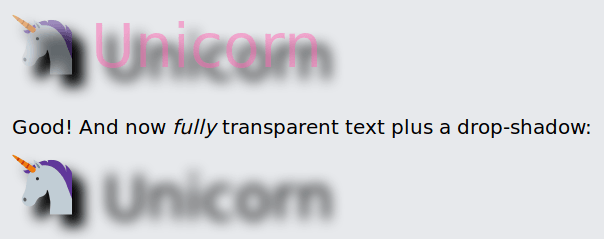
Here's a curious bug I just discovered in Firefox 67 for Linux. Can you see this unicorn: →🦄 ← What happens if you use CSS to change the opacity of an emoji? Here's a unicorn, with a pink font colour: 🦄 Unicorn Let's wrap that in this scrap of CSS to make it 50% opaque. color: rgba(255, 105, 180, 0.5); 🦄 Unicorn Hopefully, you see a semi-transparent philosophical argument. What if we set …
Continue reading →
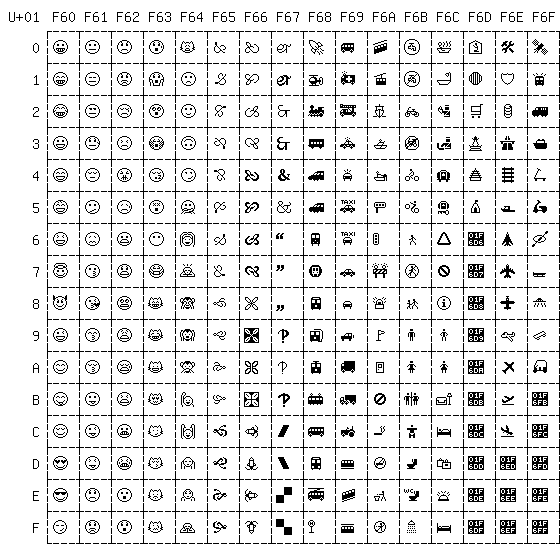
The GNU Unifont project is amazing. It contains every Unicode glyph in one single file! I am going to argue that you should bundle it with your apps, your operating systems, and - at a pinch - your websites. The Unifont is a perfect fallback font. If your app or website uses a Unicode character which isn't supported on a device, the user will usually see � - a replacement character. If you i…
Continue reading →

I received this weird bit of mojibake in an email. Here's the raw text view: ------=_NextPart_001_009E_01D4D8BF.D0737E10 Content-Type: text/plain; charset="UTF-8" Content-Transfer-Encoding: quoted-printable =E6=8C=A8=E2=8E=92tml xmlns:v=3D"urn:schemas-microsoft-com:vml" xmlns:o=3D"= urn:schemas-microsoft-com:office:office" xmlns:w=3D"urn:schemas-microsoft-c=…
Continue reading →