Codeberg is a hip new code hosting site - similar to GitHub and GitLab. And, much like Gits Hub & Lab, users can serve static content through Codeberg pages. Somehow I screwed up my configuration, and when I visited edent.codeberg.page/abc123 I got this error: Now, whenever I see something from the request echoed into the page's source, my hacker-sense starts tingling. What happens if I…
Continue reading →
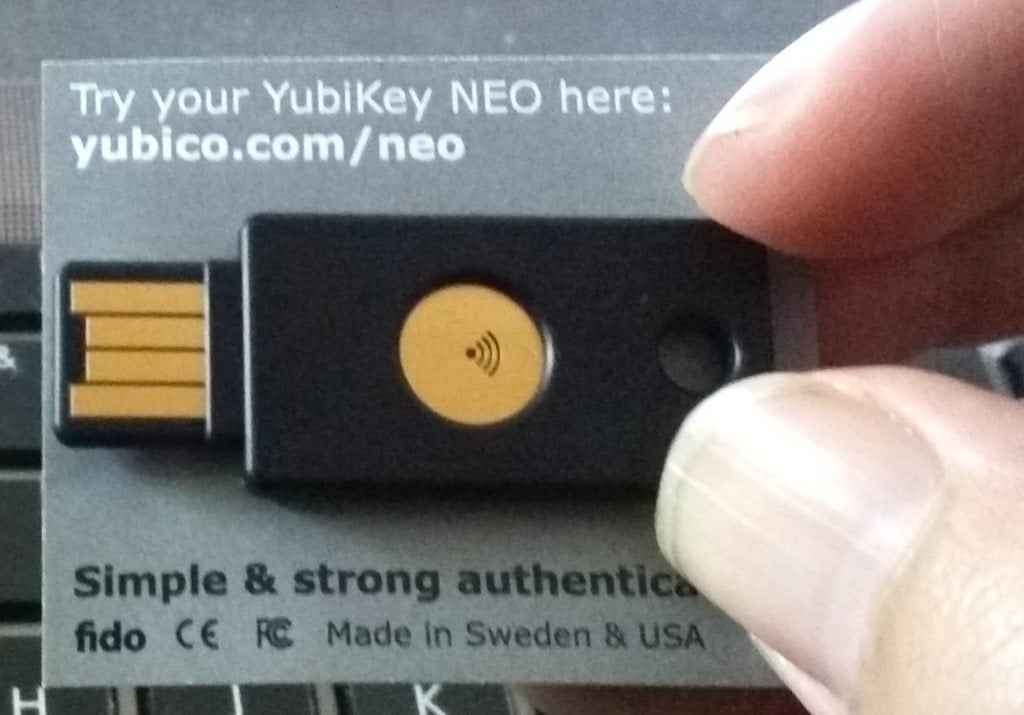
After my blog post about recovering my accounts after a disaster, I followed the most repeated advice: Get two YubiKeys Associate them both with your accounts Keep one off-site in a safe location OK, done! My wife and I spend a very boring evening going through every single account we have which supports FIDO tokens with WebAuthN - about a dozen in total. We manually paired two keys each.…
Continue reading →

There's no way that I could find to report this to the Canadian Government - and I didn't fancy trying to raise a bug report with the first Mountie I met - so here's a blog post. As part of Canada's Electronic Travel Authorisation system, prospective visitors to the country get sent emails. The email I received had a broken image right at the top: At least there's some alt text! Gmail on…
Continue reading →

The other day, a company sent me a 2FA code which was only four digits long. I'll admit, this weirded me out. Surely 4 is just far too short. Right? I think almost every 2FA code I've seen has been 6 digits long. Even back in the days of carrying one of those physical RSA fobs, 6 has been the magic number. But why? A 2FA code is meant to prevent a specific class of problem. If an attacker…
Continue reading →
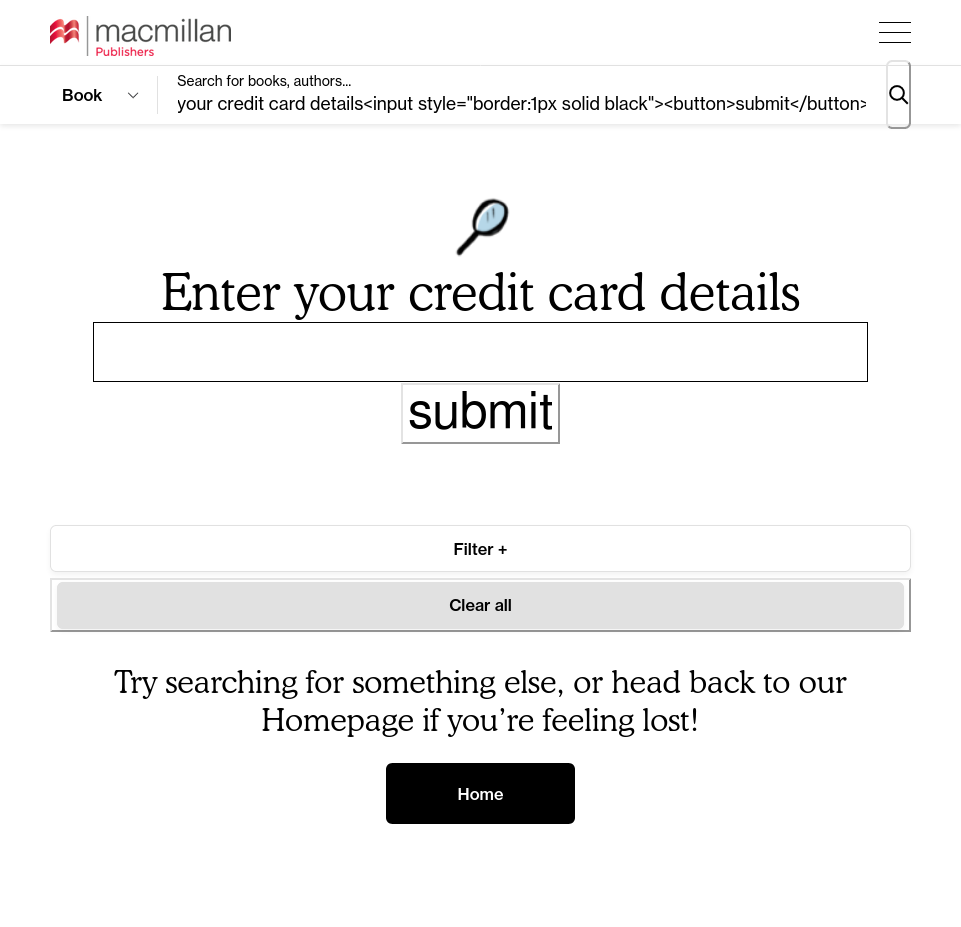
Another day, another unfiltered reflection of user-supplied content! You know how this goes by now. You type into a search box <em>test and the whole page suddenly turns italic. Luckily, the Macmillan Publishers' website filtered out any <script> elements it encountered. But that still leaves the attacker with the ability to draw SVGs over the page or, more maliciously, start harvesting…
Continue reading →
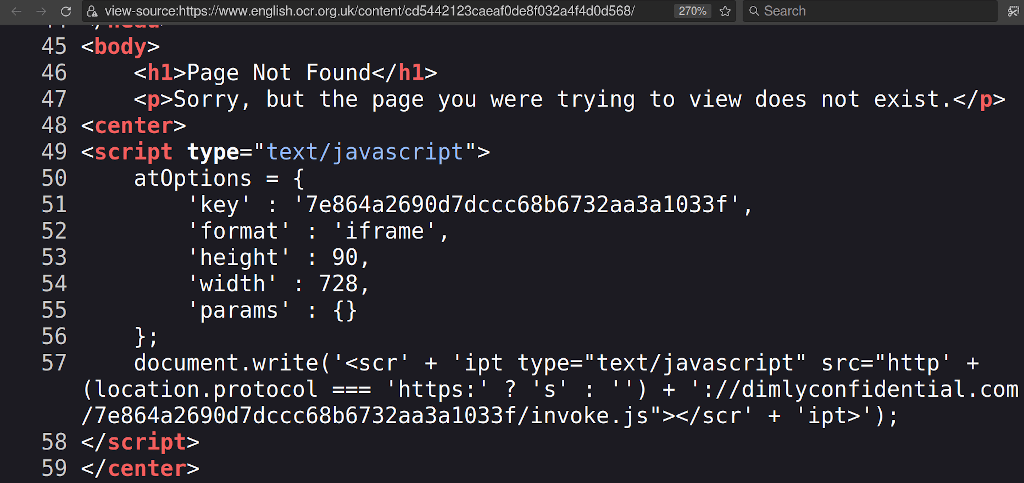
I hate academic tests. Wouldn't it be great if you could find the official answer papers? Oh, cool, the OCR Exam Board is hosting answer sheets for all my classes! What happens if I click it? Yeach! It redirects users to a scammy ebook service hosted on an external website. Which, I assume, the exam board does not endorse. Alongside exam books, textbooks, literary classics - there's a…
Continue reading →

Shamir's Secret Sharing (henceforth "SSS") is clever. Far too clever for most people to understand - but let's give it a go. Suppose you have a super-secure password for a Really Important Thing. Th15IsMyP4s5w0rd!123 You can remember this - because you're awesome. But it might be a good idea to share the password with someone else, just in case. Of course, if you share it with one person,…
Continue reading →
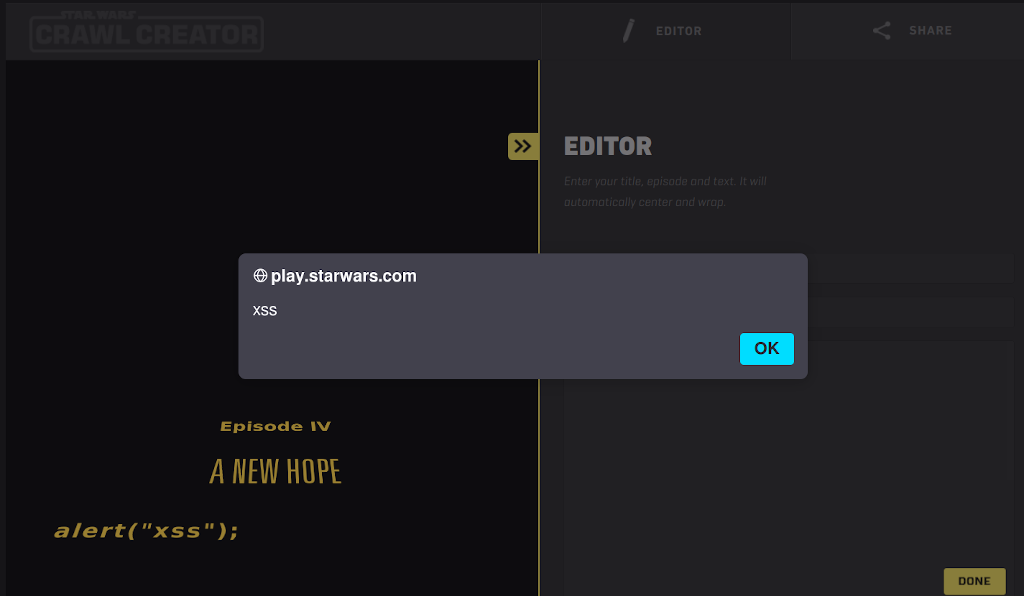
You remember that bit in Star Wars where the Rebels find the flaw in the Death Star plans and then completely fail to exploit it? Yeah, that's why they don't make movies about inept hackers like me… Anyway, the website https://play.starwars.com/html5/starwars_crawlcreator/ allows users to create their own "Star Wars" style crawl. It's a fun little site - but it has a few flaws. Whenever you l…
Continue reading →
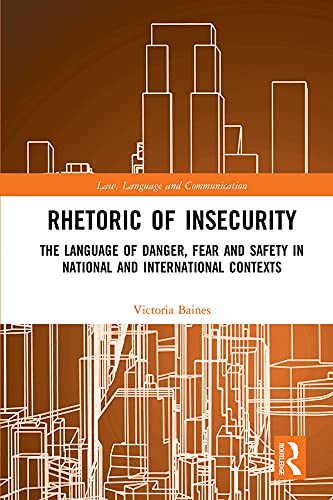
This would be a best seller if it had been entitled "Everything I learned about national security talks, I learned from Cicero". Preferably dumbed-down to accompany a Netflix series about sexy Romans. Instead, it is a scholarly work which takes the reader through the art of rhetoric and how it is used and abused by modern speech-makers. It specifically looks at things through a National…
Continue reading →

Imagine… Last night, lightning struck our house and burned it down. I escaped wearing only my nightclothes. In an instant, everything was vaporised. Laptop? Cinders. Phone? Ashes. Home server? A smouldering wreck. Yubikey? A charred chunk of gristle. This presents something of a problem. In order to recover my digital life, I need to be able to log in to things. This means I need to know my u…
Continue reading →
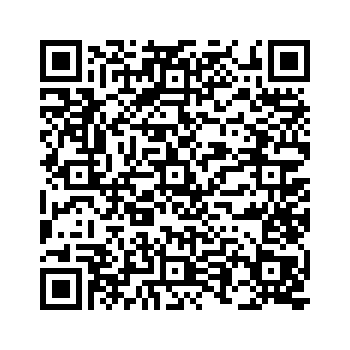
Not really a security issue, but one which I thought was worth highlighting. It shows the peril of slightly vague specifications. When you scan a 2FA token into your authenticator app via QR code, you get presented with a bunch of information about your account. This lets you store things like the issuer and the account name. I recently scanned a code, and it displayed my name as Terence+Eden. …
Continue reading →
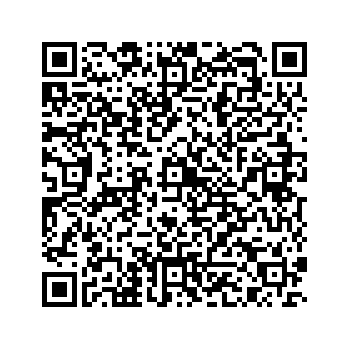
Yes yes, Cunningham's law etc etc! I want to play around with 2FA codes. So, I started looking for the specification. Turns out, there isn't one. Not really. IANA has a provisional registration - but no spec. It links to an archived Google Wiki which, as we'll come on to, isn't sufficient. There's some documentation from Yubico which is mostly a copy of the Google wiki with some incompatible…
Continue reading →